Maintenance
Part of Apparel screen-printing guide: mesh, stencil, ink, squeegee, registration, cure, and inspection
Textile screen-printing checklist: screen, stencil, ink, registration, cure and cleanup
Textile screen-printing checklist for artwork, screens, stencils, inks, press setup, garments, registration, strokes, flash, cure, inspection, cleanup, and release.
What to take away
- Tie every setup item to a job, artwork revision, garment batch, and named operator.
- Inspect screens and separations before ink reaches the press.
- Register through the intended garment loading and heat sequence.
- Record measurable stroke, flash, and cure controls.
- Keep accepted, rejected, rework, and unprinted goods separated.
- Close the job with quantity, test, cleanup, waste, and release records.
Use this checklist with current equipment manuals, product technical sheets, safety data sheets, facility procedures, and legal requirements. Add the shop's numerical limits. A box is complete only when the supporting evidence is recorded.
Job and artwork
- Job code, customer, quantity, due date, and approver confirmed.
- Garment supplier style, color, sizes, and batch recorded.
- Artwork revision, location, dimensions, orientation, and placement datum confirmed.
- Separations, color names, print order, underbase, traps, and marks approved.
- Minimum lines, gaps, dots, and openings fit the qualified process.
- Physical color and appearance references available.
- Test and acceptance requirements written.
Screens and stencils
- Each frame and screen has a unique identity.
- Mesh count and unit, thread or open-area data when needed, and tension recorded.
- Mesh is clean, undamaged, and suitable for the image and ink.
- Stencil product and ink compatibility confirmed.
- Coating, drying, film contact, exposure, washout, and post-treatment recorded as applicable.
- Pinholes, scum, weak emulsion, blocked detail, and edge loss absent or repaired.
- Orientation, plate label, and registration marks correct.
Coast Community College's screen-process course outline places mesh, stencil preparation, exposure, washout, squeegee variables, registration, inks, cleanup, troubleshooting, fabric printing, and halftone output within one connected craft. Its course content and objectives do not prescribe shop settings, but they support checking the full chain instead of isolating the press pull.
Inks and additives
- Exact product, color, batch, date, and storage status verified.
- Garment, fiber, dye, and stencil compatibility supported.
- Current technical and safety documents available.
- Components and additives measured and recorded.
- Mix time, operator, color check, pot life, and batch code recorded.
- Ink is free from skins, debris, foam, or cross-color contamination.
- Enough controlled ink remains for setup, run, tests, and retained evidence.
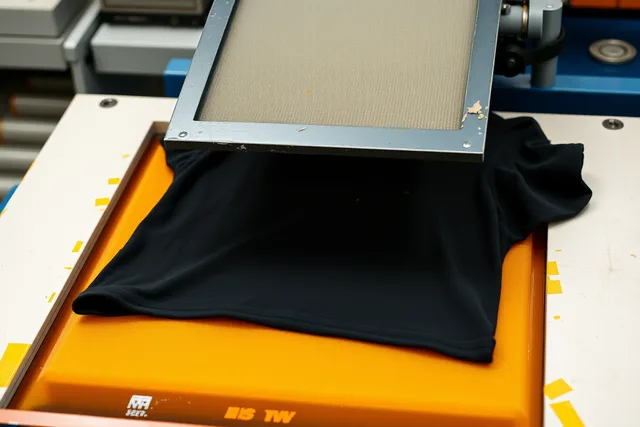
Press, platen, and garment loading
- Guards, controls, clamps, heads, micros, platens, flash, and dryer inspected.
- Press and platen condition meet current procedures.
- Platen is suitable for location and garment size.
- Seams, collars, pockets, zippers, hoods, and layers isolated.
- Garment holding method is controlled and clean.
- Loading reference and operator method defined.
- Smallest and largest covered sizes checked.
Registration and setup
- Common marks and origin used on all plates.
- Screens aligned on a stable setup target.
- Whole image, distant points, traps, and fine crossings inspected.
- Off-contact or peel and screen positions recorded.
- Dry alignment checked with a loaded garment.
- Progressive tests printed in production order.
- Registration rechecked after the process reaches stable operating heat.
Squeegee and print stroke
- Squeegee code, width, blade, hardness, profile, and edge condition recorded.
- Flood and print strokes distinguished.
- Angle, pressure or machine setting, speed, direction, and stroke count recorded.
- Ink deposit, edge, detail, and screen release pass the test.
- No abnormal screen deflection, smearing, streaking, or pickup present.
- Operator can repeat the documented stroke.
MIT's makerspace curriculum table describes setup through screen mounting, off-contact, platen and mark alignment, ink condition, test substrate, and squeegee controls, followed by flood, print, flash or cure, inspection, and prompt cleanup. Its screen-printing equipment workflow is a training summary rather than a manufacturer procedure, so the checklist uses its sequence while deferring exact controls to current shop documents.
Flash and cure
- Flash purpose and target condition defined.
- Equipment, position, time, and relevant readings recorded.
- Pickup, tack, gloss, scorch, garment movement, and overflash checked.
- Final dryer or fixation conditions follow the exact ink system.
- Measuring device identity and verification status recorded.
- Thickest credible ink area reaches the required condition.
- Cold finished print passes specified stretch, adhesion, wash, or other tests.
First-off and in-process control
- First-off garment code and full setup record complete.
- Identity, placement, color, opacity, registration, detail, and hand pass.
- Garment shows no unapproved scorch, shine, distortion, or contamination.
- First-off approval is named and dated.
- Inspection interval and stop limits defined.
- Check samples and results logged.
- Suspect garments quarantined back to the last passing check after a failure.
Cleanup and release
- Excess ink handled under product and shop procedures.
- Screens, squeegees, tools, platens, and press areas cleaned promptly.
- Cleaning agents, wastewater, wipes, and residues managed under current rules.
- Screen and stencil disposition recorded.
- Accepted, reworked, rejected, tested, retained, and unprinted quantities reconciled.
- Packing and labels checked.
- Final release, date, records location, and retained reference recorded.
Common questions
Should every screen receive a tension number?
Use the shop's qualified control method. If a numerical reading matters, record the device, method, locations, and result rather than writing only "good."
Is visual registration enough?
Only when the acceptance method defines it and the image risk supports it. Fine crossings, traps, and distant features may need measured or magnified inspection.
Can a flash unit provide final cure?
Only if the exact product, deposit, garment, equipment, and verified method support that use. Do not infer final cure from surface dryness.
What evidence releases the order?
Approved first-off, process records, passing inspections and required tests, quantity reconciliation, controlled deviations, packing check, and named release.