Reviews
Part of Graphic apparel business guide: operations, rights, and records
Graphic apparel business models compared: retail, wholesale, print-on-demand and licensing
Graphic apparel models compared across direct retail, wholesale, print-on-demand, licensing, and contract printing by inventory, margin, control, rights, and risk.
What to take away
- The graphic apparel models compared here differ in customer, inventory owner, production control, cash timing, and returns.
- Direct retail gives closer customer contact but adds acquisition, fulfillment, and consumer-service work. Threadless and TeePublic sell this way.
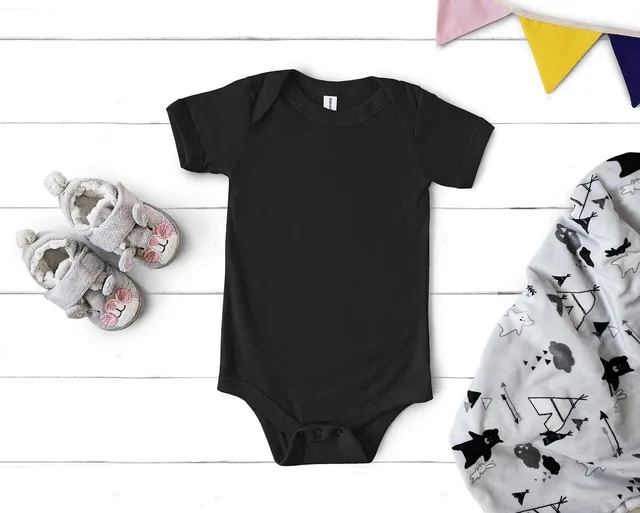
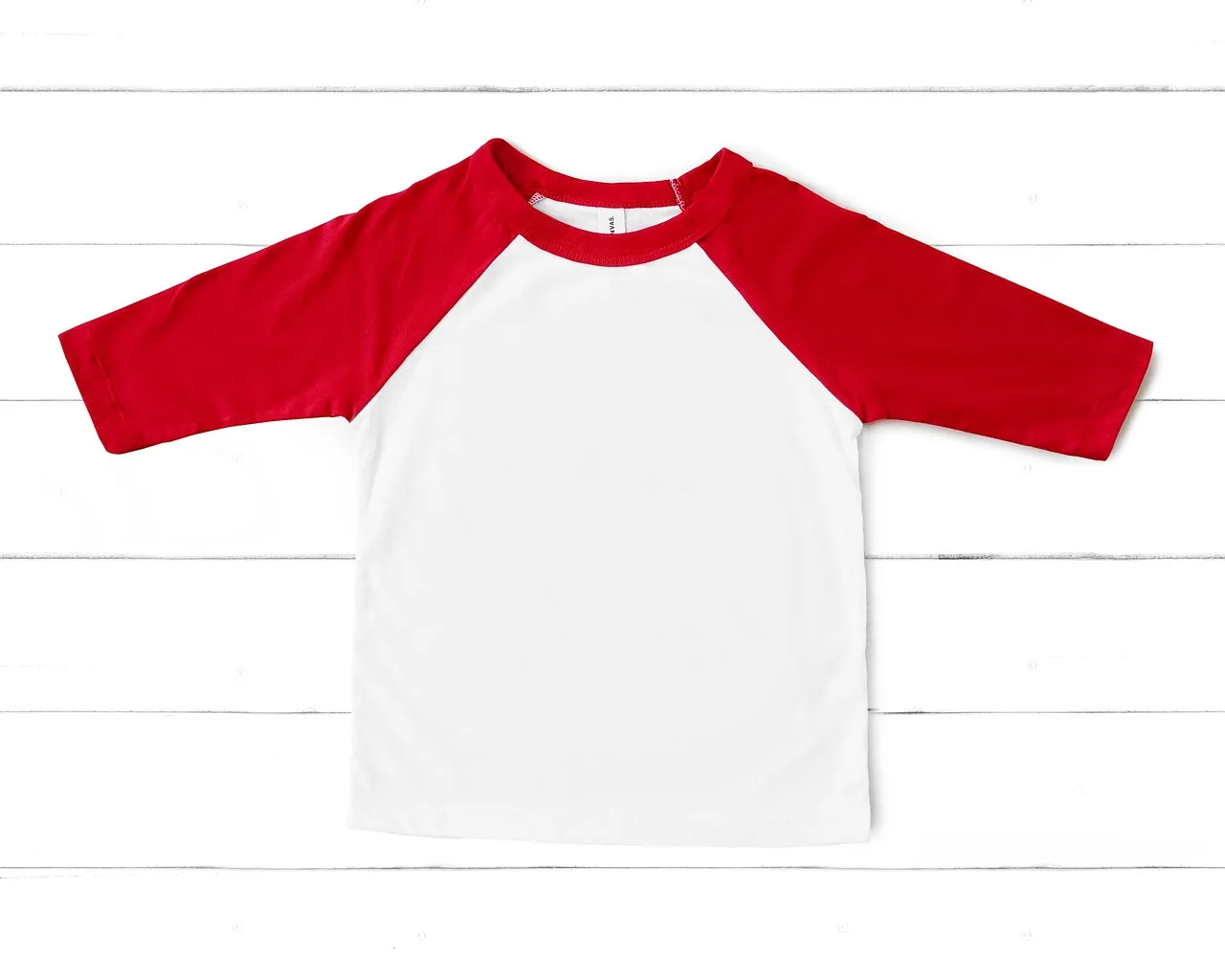
- Wholesale trades unit margin for larger orders and retailer relationships. SanMar and S&S Activewear supply blanks such as the Bella+Canvas 3001.
- Print-on-demand reduces finished stock while creating supplier, cost, and quality dependencies. Printful, Printify, and Amazon Merch on Demand work this way.
- Licensing grants defined rights and requires scope, approvals, royalties, reporting, and enforcement. Disney, Sanrio, and the Collegiate Licensing Company license apparel art.
- Contract printing sells production capacity and needs clear responsibility for blanks, art, defects, and labels. Threadbird and Real Thread take that work.
A business can combine these models, but each order should have one documented responsibility map. Confusion appears when one party thinks it bought finished compliant goods while the other thinks it supplied decoration labor only.
Graphic apparel models compared
Main buyer or partner
- Direct retail (Threadless, TeePublic)
- End customer
- Wholesale (SanMar, S&S Activewear)
- Retailer or reseller
- Print-on-demand (Printful, Printify)
- End customer via platform or store
- Licensing (Disney, Sanrio, CLC)
- Licensee receives defined IP rights
- Contract printing (Threadbird, Real Thread)
- Brand, organization, or reseller
Inventory pattern
- Direct retail (Threadless, TeePublic)
- Stocked or made to order
- Wholesale (SanMar, S&S Activewear)
- Larger committed batches
- Print-on-demand (Printful, Printify)
- Produced after order
- Licensing (Disney, Sanrio, CLC)
- Depends on licensee
- Contract printing (Threadbird, Real Thread)
- Customer or printer supplies blanks
Main control point
- Direct retail (Threadless, TeePublic)
- Brand controls listing and service
- Wholesale (SanMar, S&S Activewear)
- Terms, delivery, retailer sell-through
- Print-on-demand (Printful, Printify)
- Vendor integration and specification
- Licensing (Disney, Sanrio, CLC)
- Contract scope and approvals
- Contract printing (Threadbird, Real Thread)
- Production specification
Common risk
- Direct retail (Threadless, TeePublic)
- Demand, returns, acquisition cost
- Wholesale (SanMar, S&S Activewear)
- Margin, credit, cancellations
- Print-on-demand (Printful, Printify)
- Unit cost, variance, data, returns
- Licensing (Disney, Sanrio, CLC)
- Unauthorized use, weak reporting
- Contract printing (Threadbird, Real Thread)
- Artwork authority, spoilage, handoff
Direct retail: Threadless, TeePublic, and your own store
The seller controls product selection, pricing, presentation, channel, and customer relationship. Traffic, payment, sales tax setup, product information, and order fraud are also the seller's job. So are packing, shipping, exchanges, refunds, and complaints.
Retail Platform Costs
- 39Shopify Basic monthly
- 5Shopify Starter monthly
- 0.20Etsy listing fee
- 6.5Etsy transaction percent
Threadless, founded in Chicago in 2000, prints community-voted designs and pays artists a royalty on each sale. TeePublic runs a similar marketplace: the platform prints and ships, and the artist sets a markup. Both replace inventory work with a per-sale payout.
Shopify lists Basic at $39 a month and Starter at $5 a month. Etsy charges a $0.20 listing fee and 6.5% per transaction. Amazon takes a 17% referral fee on apparel.
Stocked retail ships quickly and consolidates production, but size and color inventory tie up cash. Made-to-order retail cuts finished stock but needs a truthful lead time and reliable materials.
The Census Bureau's 2022 NAICS retail-trade definition describes retailing as the final distribution step and notes sales through stores, websites, catalogs, direct response, stalls, and other methods. This supports separating channel from physical storefront. It does not classify an apparel company or set its taxes.
Wholesale: SanMar, S&S Activewear, and blank brands
Wholesale sells to a retailer or reseller under agreed case packs, minimums, price lists, and delivery windows. Payment terms, cancellations, defects, returns, and markdown support belong in the deal too. So does territory.
SanMar and S&S Activewear are the largest US blank distributors, and both sell to registered businesses that file a resale certificate. Wholesale prices for the Gildan 5000 and Bella+Canvas 3001 run about $3 to $6.50 per tee, in case packs of 24 to 72.
Define whether the retailer may use product images, change copy, bundle items, or discount. Marketplace listings and returns of unsold goods need their own clauses. Track the purchase order, allocation, shipment, and proof of delivery. Invoices, deductions, and credits need the same discipline.
Print-on-demand: Printful, Printify, and Amazon Merch on Demand
POD produces an item after the order rather than holding the same finished inventory in advance. The model can support broad catalogs and low-volume testing. Each supplier still has limits for blanks, colors, packaging, returns, and data handling.
Printful charges no monthly fee and quotes base costs for a Bella+Canvas 3001 tee of roughly $9 to $14, plus US shipping near $5. Printify's free plan works the same way; its Premium plan runs about $25 to $30 a month and cuts product prices.
Amazon Merch on Demand pays a royalty instead of a margin, is invite-only, and sets list prices in fixed bands. It handles printing and shipping; you supply art and titles.
The general print-on-demand overview describes the build-after-order process and its connection with digital production and short quantities. It supplies background terminology, not apparel-vendor due diligence or a profitability promise.
Order physical samples. Define artwork profiles, garment substitutions, quality limits, and care. Settle branding, packing, shipping, failed delivery, and complaint evidence. Reprints, refunds, and customer-data roles need owners. Monitor landed cost and error rate.
Licensing: Disney, Sanrio, and college marks
A license permits another party to use defined copyright, trademark, artwork, name, or other rights. Disney, Sanrio, and the Collegiate Licensing Company license apparel art this way.
The agreement should fix the property, products, territory, channels, and term. Exclusivity, approvals, quality, suppliers, and minimums need lines too. Royalty basis, statements, audit, samples, and enforcement round out the covered points. Add termination and sell-off terms.
Apparel royalties typically run 5% to 12% of net wholesale, with guarantees of $5,000 to $50,000 for smaller properties. Expect sample approvals, quarterly statements, and sell-off windows of 30 to 90 days.
Do not begin production on a vague promise that paperwork will follow. Confirm that the licensor controls the granted rights and that any third-party material, talent, league, photographer, font, or music is covered.
Contract printing: Threadbird and Real Thread
The printer supplies manufacturing service to another business or organization. Define who buys and owns blanks, approves art, and provides rights assurance. Decide who sets labeling and care, accepts overage or shortage, bears spoilage, and handles customer claims.
Threadbird and Real Thread take contract work for brands and agencies, with screen-print minimums of 24 to 50 pieces. Setup costs about $20 to $30 per color per screen, and blanks are billed separately.
Customer-supplied garments need receiving counts, defect inspection, and material limitations. Test authorization, damage terms, and replacement basis belong in the same document. The printer should not silently substitute a blank, decoration method, or art file.
Choose by operating facts
Compare demand certainty, cash, credit, equipment, and staffing. Quality control, inventory space, channel skill, rights, and service matter too. So do data, shipping, returns, and records. Model a normal order, a weak month, a large return, a supplier delay, and a failed batch.
A Printful store, a SanMar account, a Disney license, and a Threadbird contract all break even at different volumes. Pick the model the business can control, document, and fund under its actual promise. A model name does not create margin.
Common questions
Can one design use several models?
Yes, if rights, channel conflicts, inventory, and pricing are clear. Reporting and customer responsibilities need the same clarity.
Does POD remove inventory risk?
It can reduce finished stock, but supplier availability, substitutions, unit cost, and samples remain. Returns and customer expectations stay in the picture.
Is wholesale always a bulk discount?
It is a commercial relationship with quantity, delivery, credit, resale, and service terms. Price should reflect the complete arrangement.
Who owns art in contract printing?
Ownership depends on creation facts and agreements. Record permission and production scope before using the file.