Features
Costing a 72-piece licensed graphic apparel order case
Fictional 72-piece licensed apparel costing case with scope, rights, garment variants, setup, labor, spoilage, royalty, price, actuals, shipment, and records.

Section
Features
Fictional 72-piece licensed apparel costing case with scope, rights, garment variants, setup, labor, spoilage, royalty, price, actuals, shipment, and records.
Features
A fictional 2XL graphic hoodie print edge lifts after two care cycles, and the shop uses containment, defect mapping, cause sorting and trials to trace loading.
Features
An illustrative jersey example maps embroidered logo puckering from hooping and stitch-file review through controlled trials, care testing, and release.
Features
A hoodie heat-transfer adhesion case: four of five lifted corners sat at one graphic coordinate, and contact came down to pad condition and loading.
Features
Atlanta streetwear graphic apparel grows from independent brands, local print shops and drops that turn music, HBCU culture and Southern imagery into wearable art.
Features
A method for choosing DTG or DTF in a short mixed-garment launch: decision criteria, blind samples, wash and readability tests, and a split plan.
Features
A three-color run drifts at garment 37 because the platen lost its hold, not because the screens moved. Here is how the shop found it and restarted.
Features
Low-resolution shirt graphic case covering intake, rights, vector rebuilding, raster texture, type, color plates, proofing, approval, and records.
Features
Three hoodie blanks tested against one 10-inch three-color back print, showing why the cheapest garment lost and what the approval had to freeze.
Features
How a traceable graphic apparel run is planned: order SC-29101, artwork A03, two proofs, numbered print ranges, an opacity hold, labels, and reconciliation.
Features
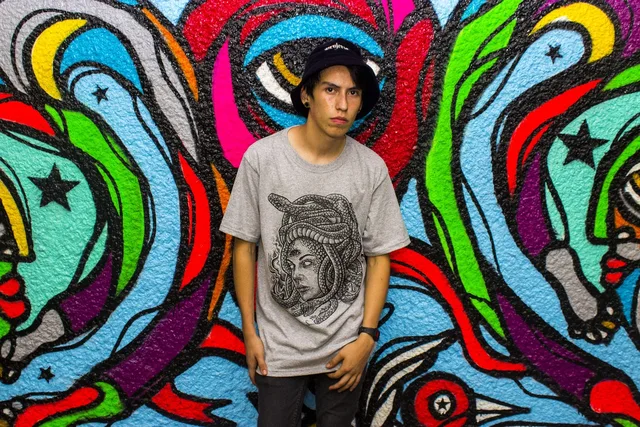
Is street style about the clothes or the deal behind it? What the photographs show of cut and print, and the permission, gifting and disclosure rules.