Features
Atlanta streetwear brands and how the city shapes graphic apparel trends
Atlanta streetwear graphic apparel grows from independent brands, local print shops and drops that turn music, HBCU culture and Southern imagery into wearable art.
What to take away
- Atlanta streetwear brands and how the city shapes graphic apparel trends start with A Ma Maniére, Wish ATL, HSTRY, AKOO Clothing, SWAG Shop and Atlanta Influences Everything.
- These labels design in the city and print within a few miles of where they sell.
- Print shops in the metro decide much of the lookplastisol screen printing for bold runs, DTG and DTF for small or photo-heavy drops.
- Local retail, pop-ups and market events set the calendar, and themes follow what the city is listening to.
- Music, HBCU culture and Southern imagery supply most of the artwork that sells.
- Blank sourcing and decoration choices, not hype, decide cost, feel and how long a print lasts.
Atlanta streetwear brands that built the city's graphic identity
A Ma Maniére opened in Atlanta in 2015 as a boutique and label from founder James Whitner. It is known for Jordan collaborations, including the Air Jordan 3 Raised by Women in 2021, and for tailored apparel sold beside sneakers.
Wish ATL has sold sneakers and streetwear at 447 Moreland Ave NE in Little Five Points since 1997. The shop carries Nike and Adidas, runs its own Wish apparel line, and helped make Atlanta a stop for limited releases.
HSTRY is an Atlanta brand founded in 2012. It prints historical figures and local references on tees, and it has worked with the Atlanta Hawks on a collaborative collection.
AKOO Clothing launched in Atlanta in 2008 through T.I. The line built its following on denim, graphic tees and hoodies sold through department stores and specialty shops.
SWAG Shop is Killer Mike's Atlanta barbershop and apparel line. It sells graphic tees and hoodies alongside haircuts, and it uses the shop as a storefront for local art.
Atlanta Influences Everything is a local apparel and media brand. Its shirts carry that slogan and other Atlanta-specific phrases, and the brand appears at markets and pop-ups around the metro.
Atlanta's graphic apparel scene grew from the inside out. National chains stocked the malls, but small labels started printing their own shirts for parties, campus events and shows around the city.
Those labels stayed small on purpose. A two-person brand can design a run of 50 tees, sell them at a Saturday market and print the next idea in a week. That speed is the identity.
Most of these brands are not cut-and-sew operations. They buy blanks, decorate them and put a name on the neck label. The design and the audience carry the value, not the mill.
That model is common enough that anyone pricing a drop should check the graphic apparel production guide.
Geography helps. Atlanta sits on major freight routes, so blanks arrive fast and cheap compared with smaller markets. Printers, embroiderers and shipping supplies sit inside the same few corridors.
The audience is also local and loud. Atlanta buyers wear what they buy the same weekend, post it and bring friends to the next drop. That feedback loop shortens the gap between an idea and a sellout.
The print shops and production choices behind Atlanta streetwear
Atlanta print shops range from one-press garages to contract houses running automatic presses all day. The choice between them shapes the finished garment more than most brands admit.
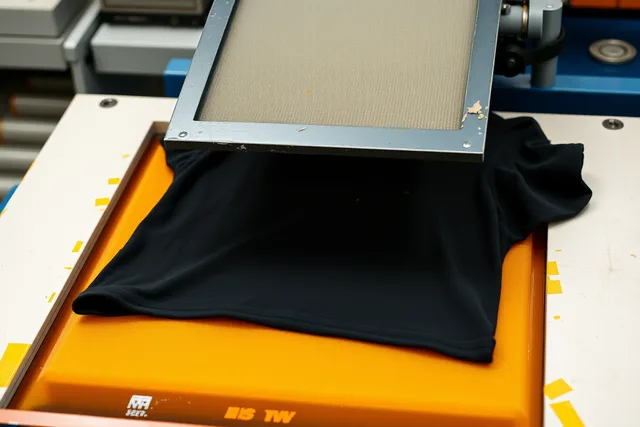
Screen printing still carries the classic streetwear look. Plastisol inks sit on top of the fabric, hold bright color and survive repeated washing when cured correctly. Water-based inks soak in and feel softer but take more care to run.
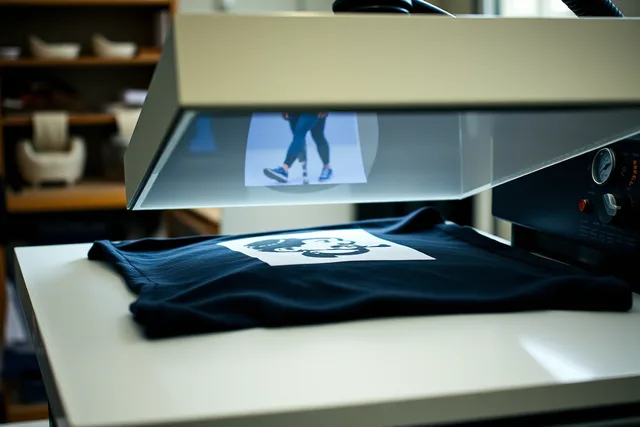
Digital methods changed the small-run math. Direct-to-garment prints one shirt at a time from a file, which suits limited drops and samples. Direct-to-film uses a printed transfer that is pressed onto the garment, which handles fine detail and dark shirts well.
A shop's equipment list tells you what it does best. Ask what press, what ink and what curing setup it uses before you assume a quote covers your job.
The comparison between DTG DTF sublimation screen printing is worth reading before a first order, because the method decides the price per piece and the hand feel.
Decoration choices affect more than looks. Inks, adhesives and curing ovens fall under workplace and chemical rules, and the CPSC business and manufacturing guidance covers product safety duties that apply to apparel producers.
| Method | Best for | Typical run size | Feel on fabric |
|---|---|---|---|
| Screen printing | Bold graphics, few colors | Dozens to thousands | Ink layer, softens with wash |
| Direct-to-garment | Photos, many colors | One to a few dozen | Light, sinks into fabric |
| Direct-to-film | Fine detail, dark shirts | Small to mid runs | Slight film hand, durable |
| Sublimation | Polyester, all-over prints | Small to mid runs | No added layer |
| Embroidery | Logos, caps, polos | Any | Raised thread |
Local retail, drops and community events that shape themes
Atlanta retail for independent apparel is a mix of boutiques, barbershops, sneaker stores and weekend markets. A brand that gets into one good store on a busy corridor can move more shirts than a weak online launch.
Drops are events here. A release often pairs a shirt with a party, a DJ set or a pop-up in a parking lot. The shirt is the ticket, and the crowd is the marketing.
Pop-ups and markets do the work of a showroom. Vendors meet buyers face to face, take cash and card, and learn which size and color sold out first. That data drives the next run.
Retail partners also set limits. A store may want exclusive colorways, a certain price point and a delivery date that fits its own calendar. Brands that plan for those terms keep the account.
For anyone building a product line around this rhythm, the guide to print-ready apparel artwork explains how to prepare files a printer can use.
Artwork influences: music, HBCU culture and Southern imagery
Music drives Atlanta graphics harder than any other single influence. Local rap and R&B give brands phrases, slang and visual references that sell within the city before they travel.
HBCU culture is the second pillar. Homecoming, Greek lettering, campus colors and marching band imagery show up on shirts every fall, and the demand is predictable and deep.
Southern imagery rounds it out: peaches, dogwoods, heat waves, highway signs and the skyline itself. These motifs read as local without needing a caption.
A worked example shows how a theme becomes a product. A designer hears a phrase at a show on a Friday, sketches it Saturday, sends art to a printer Monday, approves a sample Wednesday and sells 75 shirts at a market the following weekend.
Artwork carries legal weight too. Brands should know what they own, what they license and what they cannot print. The FTC business guidance hub explains labeling and advertising rules that apply to what a shirt claims.
Sourcing blanks and decoration methods common in Atlanta
Blank sourcing in Atlanta comes down to three routes: wholesale distributors, direct accounts with mills and local stock from other printers. Each has a cost and a lead time.
Wholesale distributors carry the standard ring-spun cotton and cotton-poly blends most brands use. They offer case pricing, quick shipping and a catalog of colors that changes with the season.
Direct mill accounts make sense at higher volume. They bring better pricing per piece and custom labels, but they demand larger orders and longer lead times.
Buying local stock from another printer is the fastest route for a small drop. You pay more per shirt but you can print the same day.
Decoration method should follow the design, not the other way around. A one-color chest hit is a screen print job. A full-color photo belongs on DTG or DTF. All-over patterns on polyester point to sublimation.
Production planning saves money. The steps below are the short version of how a run comes together.
- Choose the garment, color and size range, then confirm stock with the supplier.
- Prepare artwork at the correct resolution and separate colors for the chosen method.
- Request a quote that lists garment, decoration, setup and shipping separately.
- Approve a physical sample before the full run goes on press.
- Set a delivery date with buffer for reprints and shipping delays.
A first order is where most money is lost. The first graphic T-shirt production run walkthrough covers quantities, samples and timing in more detail.
Brands also choose what kind of company they want to be. A decorator, a print shop, an apparel brand and a cut-and-sew factory all do different work, and the apparel brand, cut-and-sew factory comparison lays out where each fits.
Marketing claims get scrutiny. The FTC business guidance resources set out what a brand can say about its products and how it competes.
Trade rules and tariffs shift the landed cost of imported blanks. The Federal Register business and industry notices are where those changes appear first, and they are worth watching if blanks are a large line in your budget.
- Confirm blank availability and size curve before artwork is final.
- Match decoration method to fabric content and design detail.
- Get a written quote with setup and shipping broken out.
- Approve a physical sample, not a screen proof.
- Check label and care instructions against current rules.
- Set retail price after all landed costs, not before.
- Book the drop date after the delivery date is confirmed.
What Atlanta's scene signals for national graphic apparel
Atlanta shows what happens when a city's music, schools and neighborhoods supply the artwork instead of a national trend report. The themes are specific, and that specificity is what sells.
It also shows that production proximity matters. Brands that can print within days of an idea beat brands that wait weeks on a shipment from another region.
Small runs are the norm, not a compromise. Digital decoration made short runs viable, and Atlanta brands built their whole release model around them.
The national takeaway is simple. Graphic apparel that speaks to a real local audience travels further than apparel designed for everyone at once.