Guides
Embroidery or Screen Printing for Promotional Apparel: What Midwest Buyers Should Ask a Shop
How to choose between embroidery and screen printing for a promotional apparel order, and the questions to put to a decorating shop about artwork, samples, labels and children's sizes.
What to take away
- Embroidery stitches thread into the garment. Screen printing pushes ink through a stencil onto the surface. The choice follows the garment, the artwork and the order size, not a fixed ranking.
- Embroidery tends to suit logos with solid areas and limited detail on structured garments. Screen printing tends to suit larger graphics and repeated spot colors.
- Ask the shop to name the artwork file it needs, what it will charge for setup, and what it will send for approval before production.
- Federal labeling rules still apply after decoration. The Federal Trade Commission (FTC) has specific guidance on decorative embroidery and fiber labels.
- For children's hooded tops, the Consumer Product Safety Commission (CPSC) treats hood and neck drawstrings as a strangulation hazard in sizes 2T to 12.
How the two methods differ
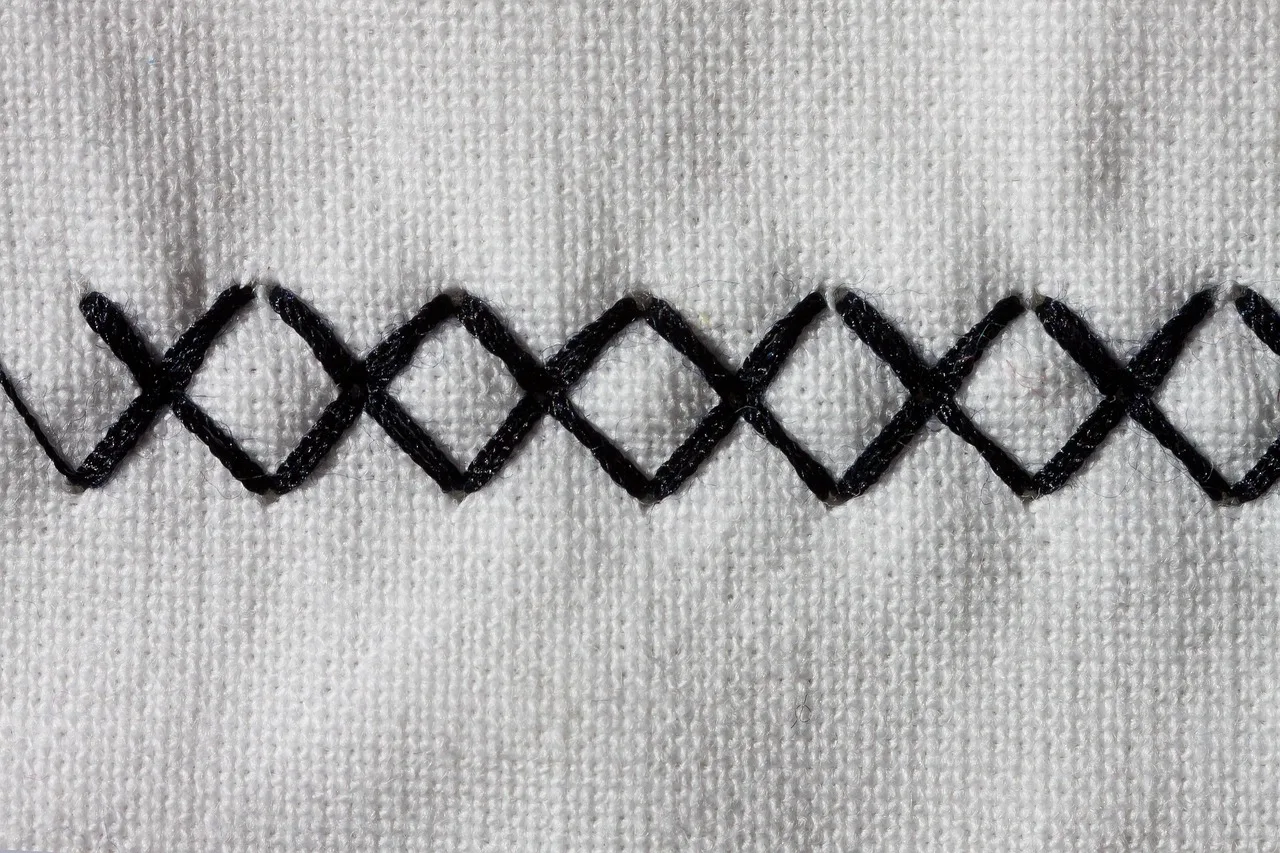
Screen printing prepares a stencil for each color of the design. Ink is pushed through the stencil onto the garment and then cured. Embroidery starts with a digitized file that tells the machine where to place each stitch. The machine then stitches thread into the fabric.
The difference shows up in how the finished piece behaves. A print sits on top of the fabric and can carry large areas, fine edges and small type. An embroidered logo has texture and weight, and the thread color is limited by the machine's thread palette and by how small a detail the stitches can hold. The comparison of printing and decorating methods in the guide to direct-to-garment, direct-to-film, sublimation and screen printing covers the print side in more depth, and the piece on embroidery, woven patches and appliqué covers the thread side.
Good questions for the shop do not start with price. They start with the garment and the logo.
Match the method to the garment and the logo
Garment first. Heavy fleece, canvas and structured caps give embroidery something to hold. Thin or stretchy knits can pucker under dense stitching, so a shop may suggest a lighter design or a backing. Smooth, light fabrics suit prints well. Ask the shop how it handles the specific blank you picked, and request a sample on that garment if the order is large.
Artwork second. Look at your logo. Gradients, tiny lettering and many colors are easier to reproduce in print. Bold shapes, a few colors and clear lines suit embroidery. A shop can advise on simplifying a mark so it stitches cleanly. The technical limits are explained in the article on embroidery digitizing, stitches, thread and backing.
Placement third. Left chest logos are common for embroidery. Large back or front graphics are common for print. Sleeves, collars and caps raise their own constraints, so ask where the shop can and cannot decorate on the garment you chose.
Quantity last. Setup work is spread across the order in both methods. Ask for the setup charge and the per-piece charge separately, and ask whether repeat orders reuse the setup. The production order costing guide shows how to read a quote line by line.
Questions to ask a shop before you approve
- What file do you need from me?A vector file such as an editable logo is often easiest for a shop to work from. Ask what formats they accept and whether they charge to clean up artwork.
- Will you send a proof or a stitched sample?For prints, ask for a digital proof showing size and placement. For embroidery, ask whether the shop will digitize and send a sample or a photo of a test stitch-out before the full run.
- How are colors matched?Ask whether the shop can match a brand color and what it does when the garment color changes the result.
- What is the care advice for the finished piece?Ask how the decoration should be washed and dried, and whether the shop tests its work for durability.
- What happens if something is wrong?Ask for a written policy on misprints, damaged blanks and re-dos before you place the order.
- What is the turnaround and is rush work available?If your event date is fixed, get the production time and the shipping time in writing.
- How will tax be handled?Sales tax rules for decorated goods differ by state, which matters when a Midwest buyer compares shops in neighboring states. Ask whether the quote includes tax, and bring your exemption or resale certificate if you hold one. Check the rule with your state department of revenue.
These are practical questions, not legal ones. The shop should answer them without hesitation, and a vague answer is a reason to keep comparing.
Labeling rules still apply
Decorating a garment does not remove federal labeling duties. The FTC's guidance on the Textile Act says anyone who manufactures, imports, sells, offers to sell, distributes or advertises covered textile products must comply. Labels show the fiber content, the country of origin, and the identity of the manufacturer, importer or dealer, by company name or Registered Identification Number.
Embroidery brings a specific rule. According to the FTC, decorative trim applied by embroidery, appliqué or similar methods, and decorative designs, need no separate fiber disclosure if they cover no more than 15% of the surface area. The label can then state the base fabric's fiber content followed by "exclusive of decoration." If the decoration exceeds 15% of the surface area and is a different fiber from the base fabric, it must be disclosed in a separate section. Advertising a trim's fiber in your marketing, such as calling a shirt a "Silk Trim T," requires disclosure of that fiber content.
The FTC also lists processors or finishers working under contract to a manufacturer as exempt, unless they change the fiber content contrary to the contract. For a buyer, the practical point is simple: ask the shop not to remove or cover the existing labels, and ask who is responsible for any label that needs to change after decoration. The guide to US apparel labeling rules for graphic shirts goes further.
The FTC's Care Labeling Rule is aimed at manufacturers and importers of textile wearing apparel, and at anyone who directs or controls the manufacturing or importing. Care instructions must have a reasonable basis, which can be experience or test results depending on the case. For a promotional order, the care label on the blank garment generally stays with the garment. If the decoration changes how the garment should be washed, tell the shop and raise it before production.
Children's sizes and hooded tops
If the order includes children's hoodies, CPSC has determined that hood and neck drawstrings on children's upper outerwear in sizes 2T to 12 or the equivalent present a strangulation hazard that is a substantial product hazard. The page treats these as a prohibited category. Waist and bottom drawstring rules cover sizes 2T to 16. The CPSC page does not say how the rule applies to a decorator or a reseller, and it directs readers to its Office of Compliance and Small Business Ombudsman for that. If you are ordering youth hoodies for a school or club, tell the shop at the quote stage and choose a style without hood drawstrings.
Sample and approval routine
- Choose the garment and confirm sizes before you request quotes.
- Send the same artwork and quantity to each shop so quotes are comparable.
- Ask for the proof, the sample and the policy in writing.
- Approve a finished sample, not just a screen image, when the run is large.
- Wash and dry one decorated sample the way a wearer would before you sign off on the full run. The article on building a repeatable wash test program lays out a method.
Common questions
Is embroidery more durable than screen printing?
Can a shop embroider on any garment?
Does the shop need my logo as a special file?
Who is responsible for labels on decorated promotional apparel?
Official sources
- [Clothes CaptioningComplying with the Care Labeling Rule, Federal Trade Commission](https://www.ftc.gov/business-guidance/resources/clothes-captioning-complying-care-labeling-rule)